Forearm Workout at Home: Wrist Curls, Grip Work & Equipment
· 5 min read · By FitCloude Journal
· 5 min read · By FitCloude Journal
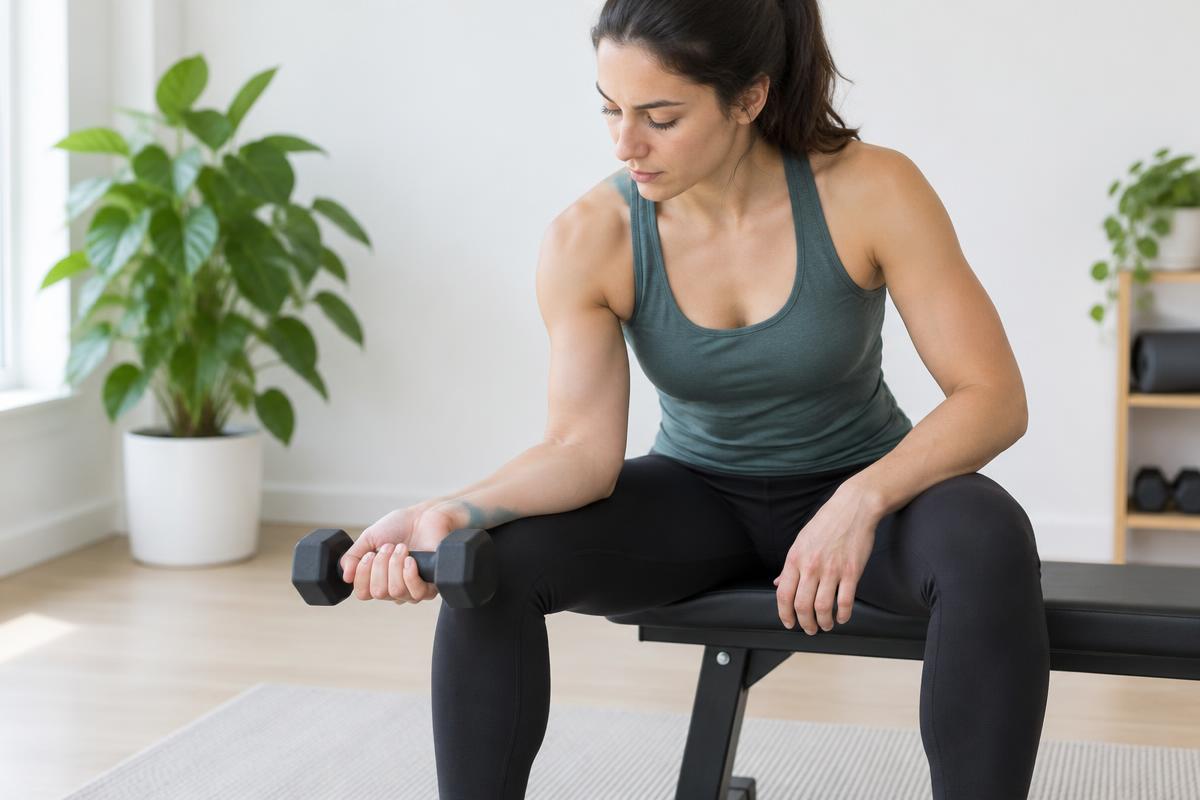
Illustrative image; see the store listing for exact product photos and specifications.
A useful forearm workout at home does not need a drawer full of gadgets. It needs a clear purpose: practise wrist movement, squeeze grip or holding strength with resistance you can control. A light dumbbell, a suitable gripper or a wrist exerciser can each serve part of that plan. This guide explains the movements and how to choose equipment without turning a simple routine into an all-day workout.
Wrist curls and reverse wrist curls involve movement at the wrist. A hand gripper asks you to close the fingers. Holding a dumbbell still asks you to maintain a grip over time. These overlap in the muscles they use, but the actions are not identical.
Count existing rows, pull-ups and other loaded holds as forearm work too. If your hands are already exhausted from those movements, adding several new exercises may make your routine harder to recover from without making it better.
Sit securely and support your forearm, leaving enough room for the wrist to move. Begin with a light load and the palm facing upward. Move at the wrist rather than swinging your whole arm; use a comfortable range that you can control in both directions.
Keep the load securely in your hand. Do not let a dumbbell roll toward your fingertips if that makes it difficult to control. If setup is unfamiliar, ask a qualified trainer to demonstrate before adding resistance. More range or more weight is not automatically better.
With the forearm supported and palm facing down, raise the back of the hand through wrist extension and lower it under control. ACE's exercise instructions describe supported forearms and controlled movement for this action.
Choose the resistance separately from your palm-up curl. You do not need the same load for both movements. Stop short of any position that causes pain, and avoid forcing the wrist with momentum to finish a repetition.
For a healthy adult who is new to this work, an illustrative starting session could be one light set of wrist curls, one light set of reverse wrist curls and one easy grip exercise. Use only movements you can perform comfortably, and stop before control deteriorates. This is an example, not an individualized prescription.
Write down the equipment, resistance and comfortable repetitions you completed. In a later session, change one variable at a time: a small increase in repetitions or resistance, rather than a large jump in both. Allow recovery between demanding sessions and adapt the plan to your other training.
A light dumbbell is versatile but still needs a secure setup and an appropriate load. A dedicated wrist exerciser may be convenient if you prefer a compact device for wrist-curl movements. A gripper is a different choice for hand-closing work.
FitCloude describes the Forearm Powertrainer as supporting regular and reverse wrist curls through an adjustable stabilizer pad, with carbon-steel springs and a 10 mm foam pad. Confirm fit and starting resistance in the current listing; this guide has not tested the device or measured its results.
Some delayed soreness can follow unfamiliar exercise, but soreness is not necessary for a productive session. Do not judge progress by how uncomfortable your arms feel the next day. Sharp pain, tingling, numbness or persistent symptoms call for stopping and getting professional advice.
If you are managing a hand, elbow or wrist injury, ask your clinician about suitable exercise before using a new resistance tool. Equipment sold for fitness should not be assumed to be appropriate rehabilitation equipment.
Choose one missing tool rather than purchasing every category at once. For wrist curls, examine the Forearm Powertrainer; for squeeze work, compare the Grip Hand Squeezer. Clear instructions and suitable resistance matter more than an advertised maximum.
Shopping from the US, UK or Europe? Check delivery to your exact country, the checkout currency, shipping charges, any applicable import costs and the return policy before paying. Europe is not one delivery zone, and a worldwide-shipping statement does not establish identical terms for every destination. The store FAQ says order-specific shipping charges appear at checkout; this guide does not promise a delivery date.
Published by FitCloude, the store linked in this guide. Educational information, not individual medical advice.
FitCloude Store
Find equipment that fits your training. Check current availability, delivery to your country and return terms in the store.
Shop the Forearm Powertrainer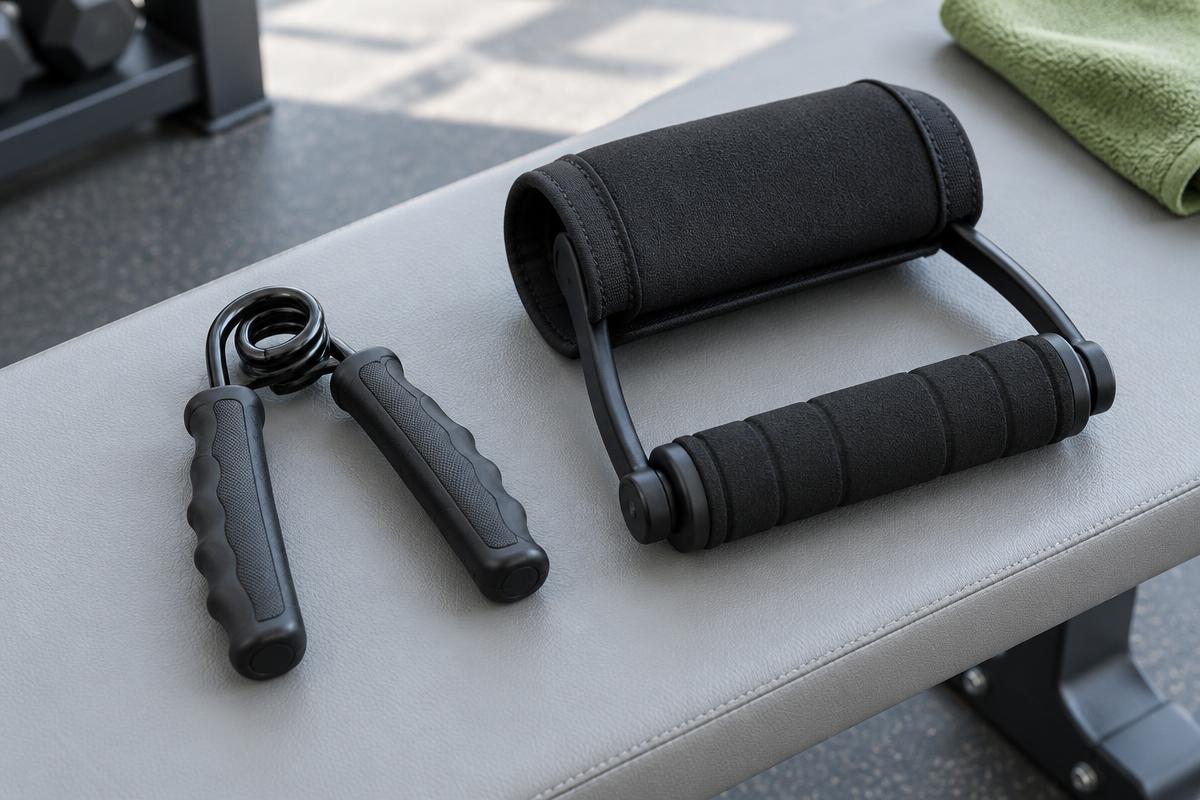
Compare a forearm strengthener with a hand gripper: movements, fit, resistance and buying checks. Find the FitCloude tool that matches your goal.
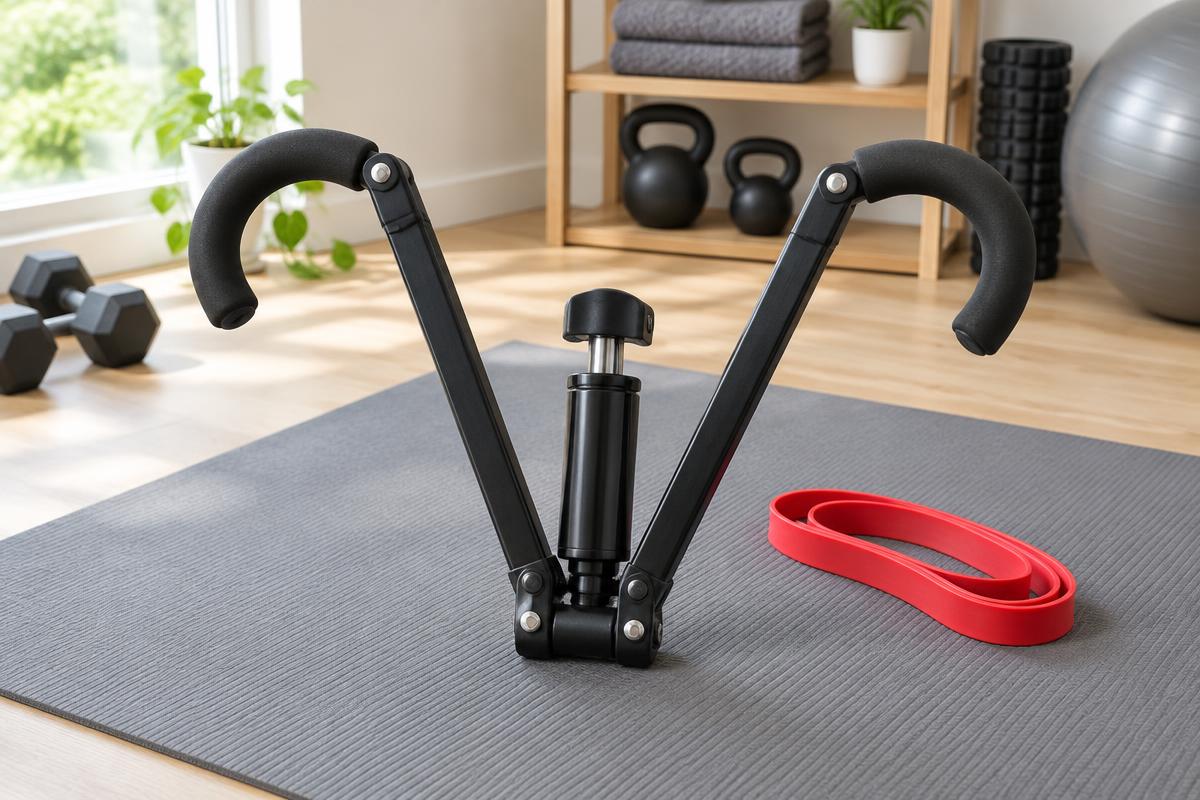
Considering a twister arm trainer? Check resistance, handle fit, setup, instructions and limitations before choosing compact home workout equipment.
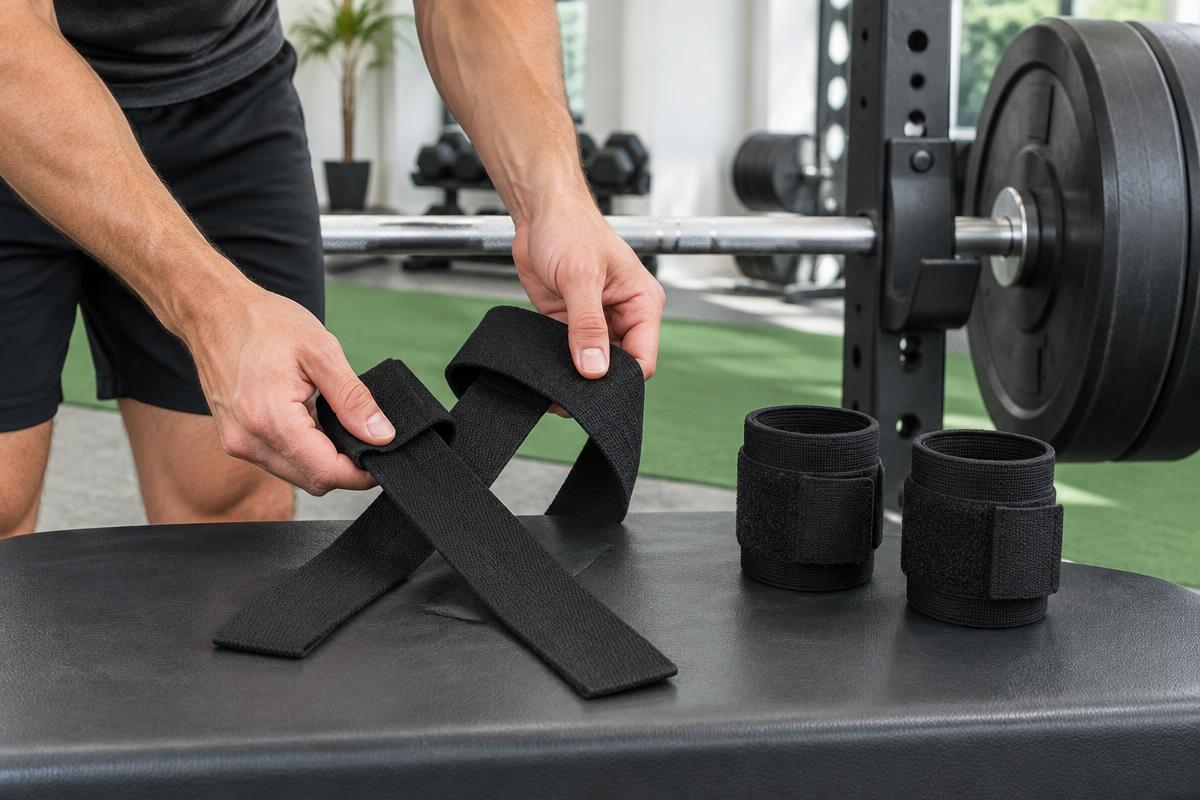
Lifting straps assist your grip; wrist wraps support the wrist. Learn the differences, how to choose a pair and what to check before buying.